Benefits of Solving AILET Previous Years’ Question Papers

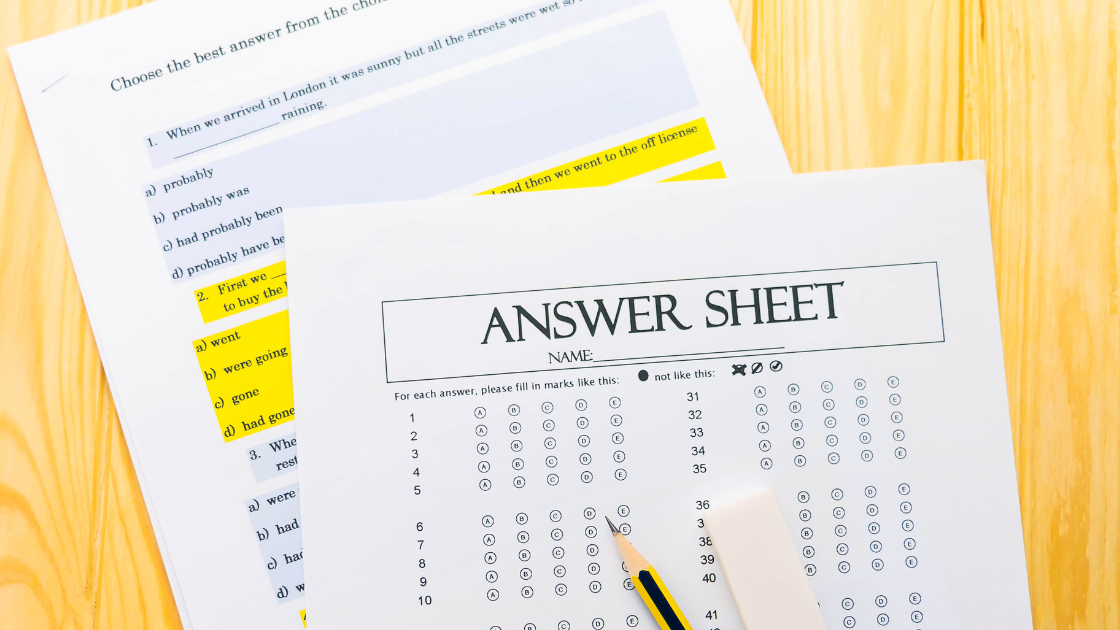
AILET previous years’ question papers (PYQs) are an important resource for students preparing for the AILET exam. Solving PYQs helps students understand the exam pattern, question types, and difficulty level while giving them practice with questions similar to those asked in the actual examination.
Regular PYQ practice also helps students improve speed and accuracy, identify their strengths and weak areas, and understand where they need to focus their preparation. Analyzing each attempt can further help students build an effective AILET preparation strategy.
Table of Contents
Why Are AILET Previous Year Question Papers Important?
AILET previous year question papers help students understand how questions are framed in the actual examination. They provide a realistic idea of the paper structure, difficulty level, and types of questions asked.
Solving PYQs also helps students assess their preparation under exam-like conditions. By reviewing their performance, students can identify gaps in preparation and focus on areas that need more practice.
Recent papers should be prioritised as they are more relevant to the current AILET exam pattern, while older papers can be used for additional practice.
Benefits of Solving AILET Previous Years’ Question Papers
Understanding of AILET Exam Syllabus
The most important step in preparation is to first know the exam syllabus. Without knowing the AILET syllabus, it is difficult to strategise preparation. When you start attempting old question papers, you will learn more about the exam syllabus and thus be enabled to identify your shortcomings in certain areas. You will improve and gain confidence, and reduce anxiety as you learn about the exam syllabus and the types of questions that will likely be asked.
Types of Questions & Level of Difficulty
Attempting AIELT previous years’ question papers is important for candidates preparing for the AILET examination because it enables them to track their progress, and their preparation level, find out their weak areas, and increase their pace and precision. Candidates also develop an understanding of the question types and difficulty level of questions asked in the AILET exam, which then aids them in building strategies to approach the exam efficiently.
Utilize Time Management Skills
In a competitive exam like the AILET, students are urged to develop a sense of utilizing their time adequately, as time plays a major part in cracking the examination. Students should remember that time management is a skill that cannot be achieved easily. It needs lots of practice, hard work, and patience. Solving old question papers will enable you to figure out how long you are taking to attempt every topic and question of a particular section. Providing a specific time for each question of the section on the exam, the day is important because it will assist you in solving the questions in priority.
Diminish Common Errors
The only way to keep you away from making silly errors is to practice old question papers as much as possible. While it is impossible to fully diminish committing blunders, it certainly will lessen by reviewing previous years’ papers. However, the trick is to attempt as much as you can to avoid making errors during the exam day.
Find Weaknesses & Strengths Areas
Attempting the AILET previous years’ question papers is extremely crucial for candidates preparing for the AILET examination because it enables them to find out their weak and strong areas. That way, students can alter their strategy and focus on their weak points to perform better.
Develop an Effective Attempt Strategy
PYQs allow students to experiment with different approaches to section order, question selection and time allocation. Based on their performance, students can develop an attempt strategy that works best for them before the actual exam.

Conclusion
Students preparing for the AILET exam often commit blunders by attempting questions from a textbook. However one should keep in mind that attempting the exact topic during the exam day may deliver different outcomes. Thereby, students are urged to attempt AILET previous years’ question papers and sample papers as it is the only reliable option to determine if they are well acquainted with a particular topic. Furthermore, it helps you to understand your strengths and weaknesses and you can work on them to improve on the areas in which you are not confident.
All The Best,
Team CL-LST
Frequently Asked Questions
- When should I start solving AILET previous year papers?
Students can start using PYQs during the early stages of preparation and gradually move from selected questions to full-length papers as their preparation progresses. - Are AILET previous year papers enough for preparation?
No. PYQs should be combined with concept building, current affairs preparation, revision and mock tests. - Can solving AILET previous year papers improve accuracy?
Yes. Reviewing incorrect and guessed answers helps students identify recurring mistakes and improve their accuracy over time. - How do AILET previous year papers help with time management?
Timed PYQ practice helps students assess how long they spend on different sections and questions and adjust their time allocation accordingly.
Author

Popular Posts
MH-CET Law 2025 Cutoff(5-Year)Out: Check Past Year Trends, & More
By CL LST Team
27 May 2025 12548
CLAT 2026 Question Paper (Updated) – Download CLAT 2026 Question Paper PDF
By CL LST Team
09 Dec 2025 10092
![MH-CET Law 2025 Result OUT! [Direct Link to Score card]](https://www.lawentrance.com/blogs/wp-content/uploads/2025/06/ChatGPT-Image-Jun-5-2025-04_52_35-PM.png)
MH-CET Law 2025 Result OUT! [Direct Link to Score card]
By CL LST Team
05 Jun 2025 9234
MH CET Law Reservation Policy
By CL LST Team
31 Mar 2025 8174
Latest Posts
CLAT 2027 Last 30 Days Strategy to Maximize Your Score
By CL LST Team
16 Oct 2026 26
CLAT 2027 Answer Key: Expected Release Date, PDF Download, and Objection Process
By CL LST Team
14 Oct 2026 37
SLAT Results 2027: Date, Scorecard and Merit List
By CL LST Team
13 Oct 2026 41
CLAT 2028 Syllabus: Section-wise Topics and Proposed Changes
By CL LST Team
08 Oct 2026 103